Planning a High-End Smart Home in Auckland
A well-designed smart home should make everyday life simpler. The technology should sit quietly in the background, with lighting, comfort, security and entertainment working together without a collection of separate apps.
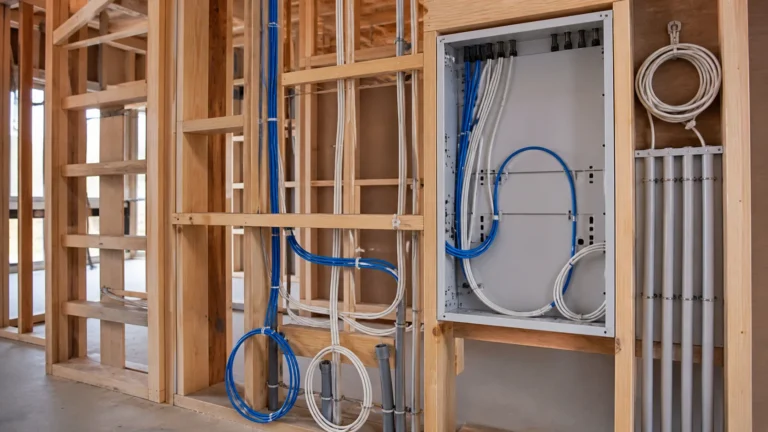
For a new home or major renovation, the best time to plan automation is before the electrical design and wiring are finalised. Early coordination gives the architect, builder, electrician and automation integrator the chance to create one practical system—and avoids costly changes later.
Start with how you want the home to feel
Rather than beginning with brands or gadgets, think about the moments you want to simplify. A single “Goodnight” button might switch off the lighting, lower the blinds, lock selected doors, arm the security system and set the heating back. An “Entertain” scene could adjust the lights, open the outdoor area and start music in the right zones.
These small details are what make a professionally integrated home feel different from a group of connected devices.
What can be brought together?
- Lighting: architectural dimming, scene control, pathway lighting and intelligent schedules.
- Blinds and curtains: automatic operation for privacy, glare reduction and temperature control.
- Heating and cooling: coordinated control of heat pumps, underfloor heating and ventilation.
- Audio and television: simple control of entertainment throughout the home.
- Security: integration with alarms, CCTV, gates, intercoms and access control.
- Energy: visibility of solar generation, battery storage, EV charging and household consumption.
- Outdoor living: coordinated lighting, audio, heating, irrigation, pools and spas.
Where Control4 fits
Control4 is a strong option for homeowners who want a polished, straightforward way to operate the whole home. It can provide one familiar interface for lighting, audio, video, climate, security and other compatible systems, while also allowing everyday functions to be controlled from keypads, touchscreens or a phone.
The important part is not simply installing a controller. The system needs to be designed around the home, the electrical infrastructure and the people who will use it.
What about KNX?
KNX is another option worth considering, particularly for architect-designed homes where lighting, blinds, HVAC and energy management need a robust, flexible foundation. It is an open international standard supported by many manufacturers. Depending on the project, KNX may form the underlying building-control system, with a user-facing platform such as Control4 bringing entertainment and day-to-day control together.
The right approach is not always one system instead of the other. It depends on the design, desired functions, budget and long-term expectations for the property.
Plan the infrastructure properly
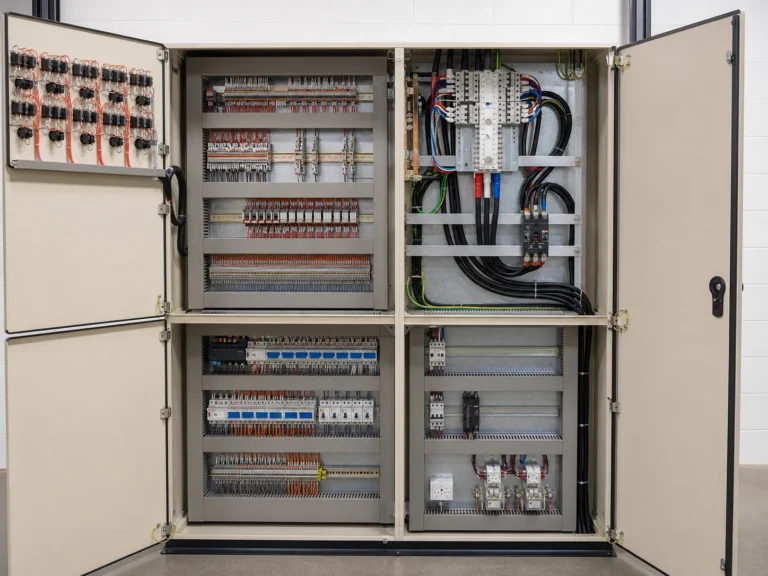
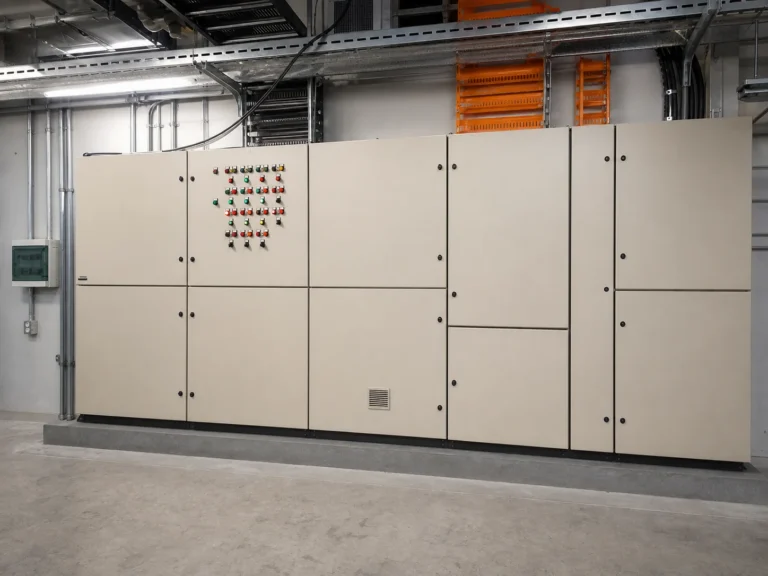
High-end automation relies on good electrical and data infrastructure. Switchboard space, structured cabling, equipment racks, wireless coverage, ventilation and access for future maintenance should all be considered early. A beautiful interface cannot compensate for poor foundations.
This is where Syntra’s combined electrical and controls experience is valuable. We can look at the power, lighting, data, HVAC controls and integration requirements as one coordinated scope rather than several disconnected packages.
Planning a new home or renovation?
If you are working with an architect or builder, involve your electrical and automation team before the plans are locked in. A short design conversation early can identify opportunities, prevent omissions and make sure the finished system suits the way you actually live.
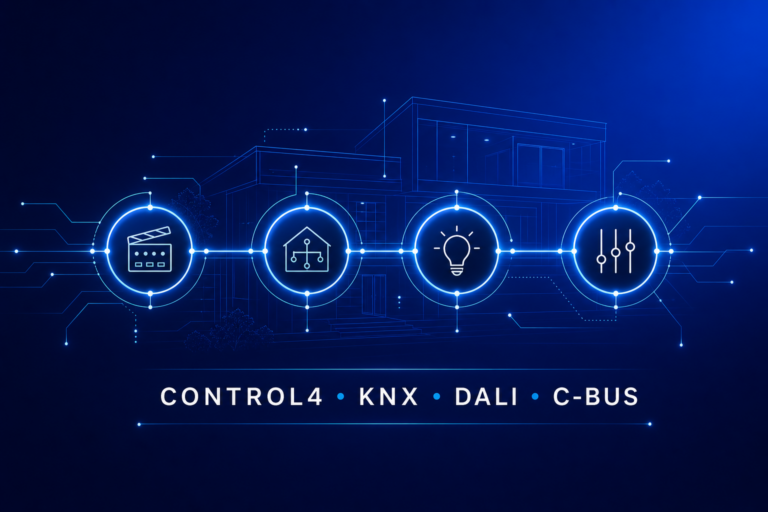
Read our comparison of Control4, KNX, DALI and C-Bus, or contact Syntra to discuss a high-end home automation project in Auckland.
Technical source. Prepared from Syntra’s practical electrical and controls experience, spanning installation, automation, commissioning and building operation. See the experience behind Syntra.